Yulia: From Debt and Deception to Dignity — How One Rest Day Opened the Door to Change
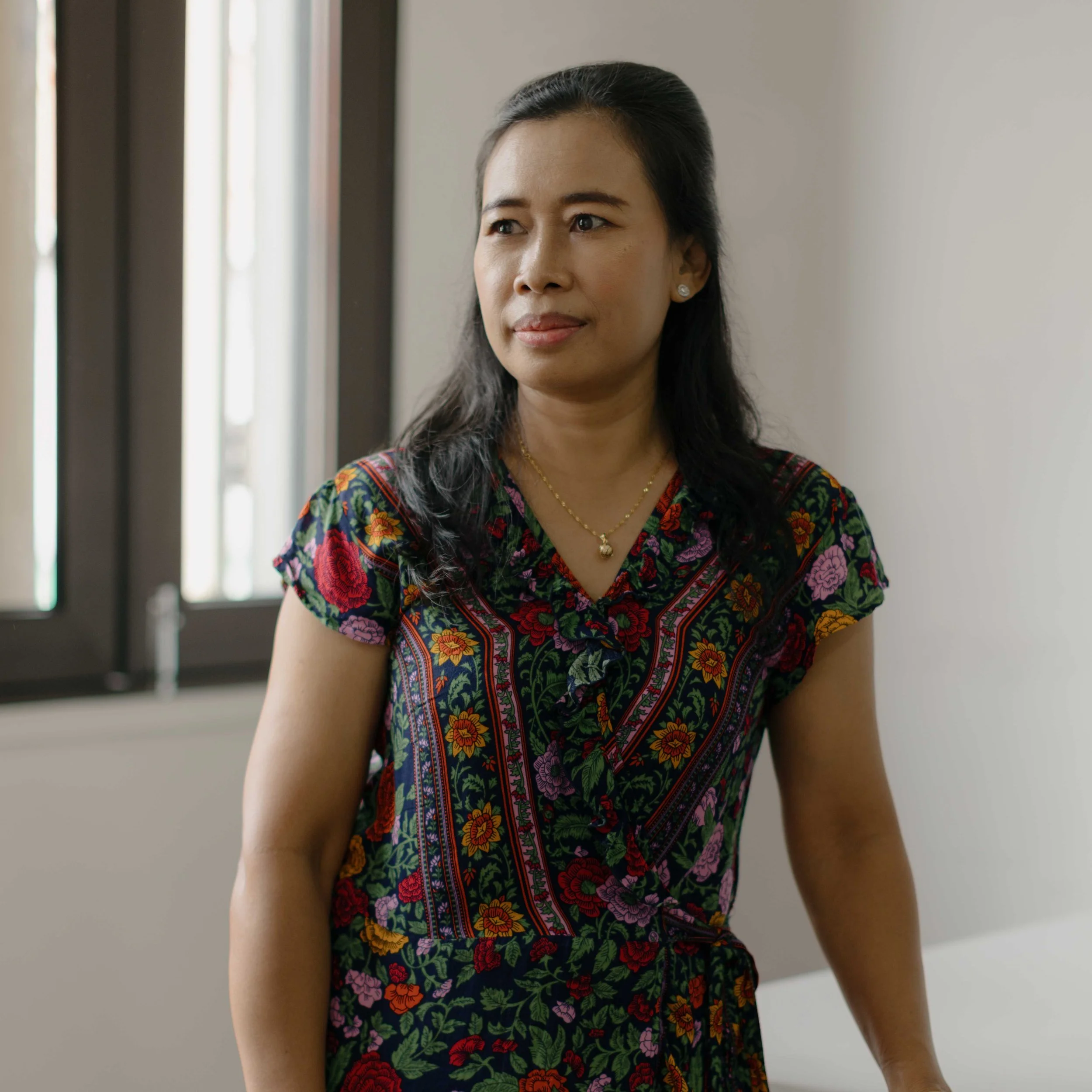
From everything I went through, I learned this: when life throws you into darkness, you must be brave. Things can change if you stay determined, resilient, and courageous enough to stand up for yourself.
- Yulia
I was married for seven years before my husband passed away. Before he died, his business had failed, and I was working in a textile factory earning only 750,000 rupiah (~60 SGD) a month while caring for our two children with help from my parents. When he died, I was left with grief and all his debts. That was when I decided to find work in Malaysia.
I was promised a job in a radio factory, but was taken to a restaurant in Malacca instead, where I found other women like me. We were forced to work from morning until the early hours of the next day for five months without pay. We were only given food, a place to sleep, and were not allowed to leave. At night, I was told to drink with customers in the pub, and I was harassed as a result. Not even the police helped us. I was never taken to a doctor when I fell sick.
Desperate, we made a plan to escape. We snuck through the garbage corridor and hid inside large trash bins, waiting for the truck. When it came, we begged the driver to take us to the Indonesian Embassy. He hesitated but finally called the police, who brought us there. We recovered our passports but not our wages.
Afterwards, we were repatriated to Semarang via Batam. With no direct ticket, we slept on the streets with no food or money. We hitchhiked to the airport, and along the way two men tried to harass us. Thankfully, a kind driver helped us out. I reached home empty-handed, and my family had fallen deeper into debt, so I kept looking for work overseas. I failed to get a job in Hong Kong, but later an agent promised work in Singapore. I trained for two months in Jakarta, fell ill again, and was denied medical attention.
When I arrived in Singapore, I was still feeling unwell. Forced to work in four households with no rest days for two years, I also did not receive a salary for the first ten months because everything went to the agency. When I finally returned home, I discovered our house had been seized by the bank, and my father had collapsed from the stress when the debt collectors came. I had to pay his hospital bills, so once again, I left to work abroad.
My next employer was an elderly woman with psychiatric issues. She abused me by pouring urine on me, and accusing me of killing her husband. Once, she even cut me with scissors. I was too afraid to report her because she threatened to put me in jail. When my wound got infected, she finally took me to the doctor but forced me to lie about how I got the cut.
After a year, I was finally given one rest day, and that day changed everything. I met friends, received support, and felt less alone. When my contract ended, I found a better agency and a kind employer. I slowly repaid my debts.
During this time, I met Yanti and joined HOME. My father recovered, and my family’s situation stabilised. From everything I went through, I learned this: when life throws you into darkness, you must be brave. Things can change if you stay determined, resilient, and courageous enough to stand up for yourself.